
Mounts in World of Warcraft often carry more meaning than their model, rarity, or animation suggests. Players may treasure a simple wolf as much as a radiant celestial mount, not because of its visual beauty but because of the memories tied to it. Mounts serve as emotional anchors—reminders of expansions, friendships, challenges, and personal milestones. Some represent triumph after countless attempts, others symbolize adventures shared with guildmates, and some become icons of identity themselves.
This article explores why certain mounts hold emotional value that goes far beyond their appearance, and how Blizzard’s systems reinforce these personal stories.
Memory Imprinted Through Effort
The longer a mount takes to acquire, the stronger the emotional attachment. Players often spend weeks, months, or even years pursuing a rare drop. When the mount finally appears in the loot window, that moment—whether celebrated alone or with friends—creates a memory that forever ties the player to the reward. The visual model becomes secondary to the story behind it.
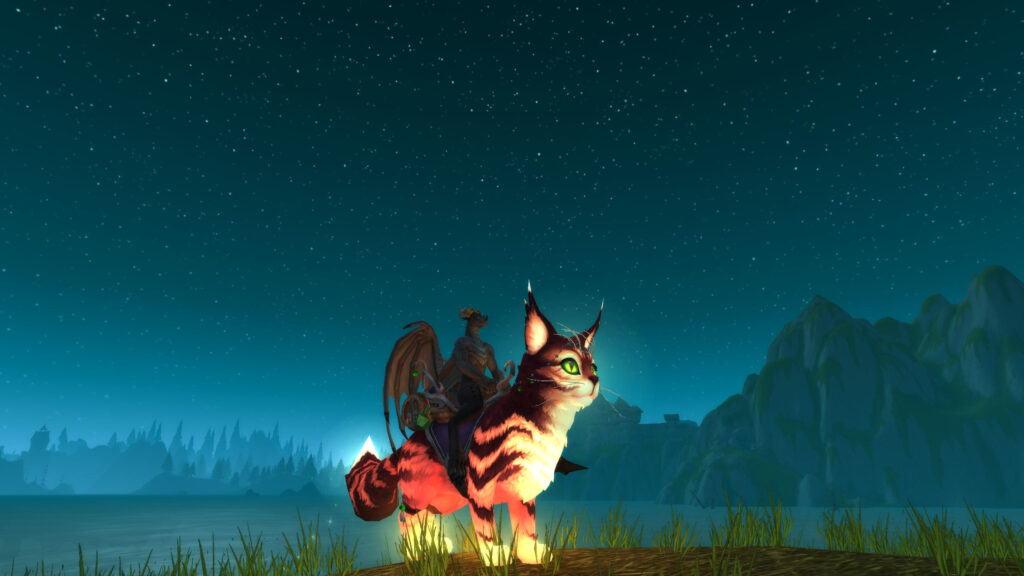
Effort translates into emotional weight, making rare mounts more than cosmetic prizes.
The Social Value of Mounts
Mounts can also serve as social connectors. When someone rides a rare raid mount or a seasonal event mount, it communicates something about who they are and what they’ve accomplished. Some mounts signal dedication, others luck, others nostalgia. In many cases, players ride mounts not to show off the model itself, but to participate in shared social language unique to the WoW community.
Mounts become shorthand for achievements, personality, and identity.
- Invincible: A symbol of perseverance and Wrath nostalgia.
- Glory of the Raider mounts: Proof of completing difficult achievements.
- Seasonal PvP mounts: Indicators of competitive success.
- Class mounts: Expressions of class fantasy mastery.
- Timewalking mounts: Signatures of event dedication.
Each mount carries a story that extends beyond its polygons and textures.
Mounts as Emotional Souvenirs of Expansions
Players often associate specific mounts with the expansions they played most actively. For many, the Grand Expedition Yak brings back memories of Mists of Pandaria’s vibrant zones and bustling markets. The Cloud Serpents evoke early Pandaria dailies, friendships with factions, and the excitement of learning a new mount family. Dragonflight drakes remind players of soaring through the skies with the freedom of Dragonriding.
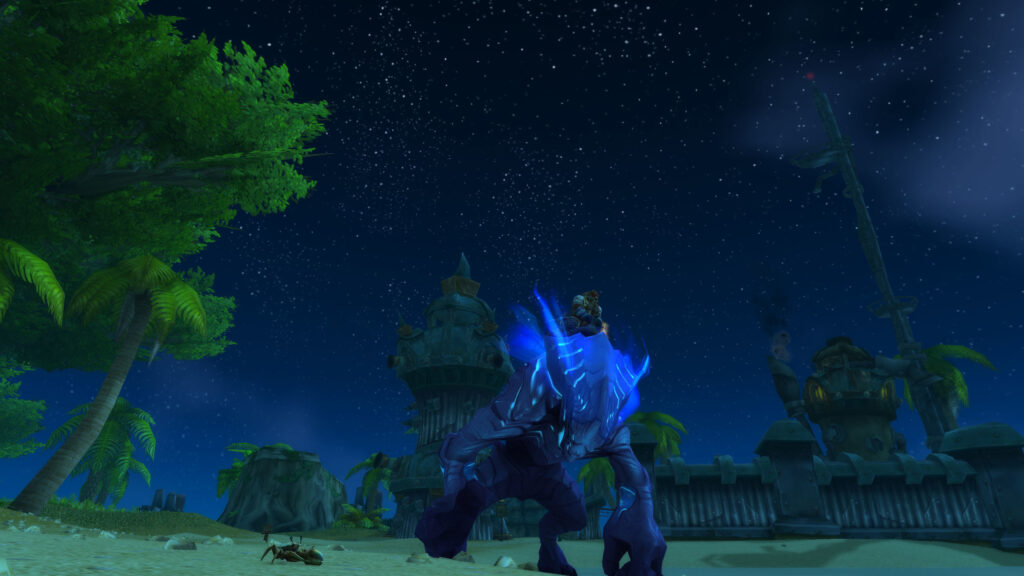
These mounts become emotional snapshots from specific eras of their WoW journey.
The Impact of Shared Achievement
Some of the most cherished mounts are those earned through group content. Mythic raid mounts, AOTC drakes, and dungeon meta mounts often represent teamwork, dedication, and friendships forged along the way. When a group works together to achieve something challenging, the mount becomes a shared symbol of unity and pride. Even long after the raid is over, seeing that mount can bring back emotions tied to the team.
Mounts represent more than the moment of acquisition—they represent the people who shared the journey.
The Nostalgia Factor
Nostalgia plays a powerful role in why certain mounts feel emotionally significant. Mounts from early expansions evoke memories of childhood, simpler game times, or important personal life periods. Riding a mount from classic WoW, Burning Crusade, or Wrath of the Lich King can feel like opening a time capsule. The value is in sentiment, not rarity.
For many players, mounts represent the history of their life as much as their time in WoW.
Story-Driven Mounts
Some mounts hold emotional value because they are tied to narrative moments. The Nightborne manasaber symbolizes Suramar’s rebellion and liberation. The dwarven ram commemorates heritage and tradition. The Legion class mounts tie into personal storylines for each class. These mounts become physical reminders of emotional investment in story arcs and character progression.
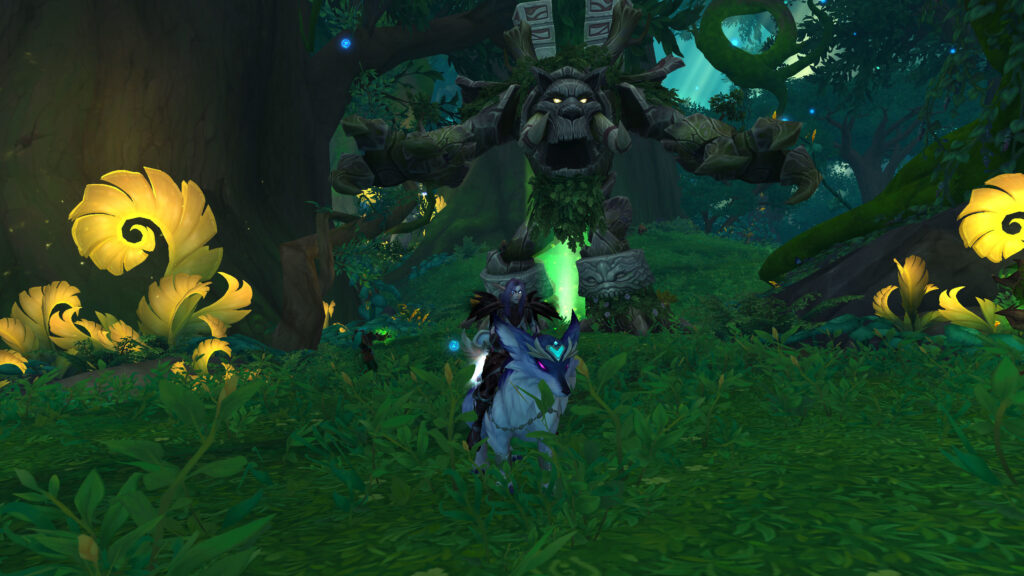
Players bond with mounts that represent characters and stories they cared deeply about.
Mounts as Identity Markers
Some players choose a “main mount” and stick with it for years. These mounts become part of their character identity. A player riding the same wolf, drake, or cat for a decade can’t imagine swapping to anything else—even if newer mounts exist with flashier models. This personal identity attachment grows stronger over time, making certain mounts irreplaceable.
In this sense, mounts become more like companions than collectibles.
How Simplicity Creates Value
Interestingly, some of the most emotionally valuable mounts are simple. The basic horse from Northshire Abbey, the Kodo from Mulgore, or the plainsrunning raptor evoke memories of early leveling journeys. These mounts cost little and look modest, but they represent a player’s beginnings—a time when everything in Azeroth felt new.
Simplicity becomes symbolic of innocence and discovery.
The Psychological Loop of Rarity and Reward
Rare mounts trigger powerful emotions not just because they’re hard to obtain, but because they create moments of surprise, relief, and euphoria. Opening a loot window to find a near-1% mount drop is an emotional spike players never forget. Even years later, recalling that moment retains its intensity. These emotions stay tied to the mount forever.
The mount becomes an artifact of that memory.
Mount Collections as Personal Archives
For collectors, mounts act as a visual diary of everything they’ve done in the game. From PvP seasons to event grinds, world boss kills, raids, challenges, and expansions long passed, each mount carries a story. Mount collections are personal museum galleries—places where players revisit victories, struggles, and adventures.
This emotional storytelling is why mount collecting remains one of the most beloved long-term pursuits in WoW.
Conclusion
Certain mounts in WoW feel emotionally valuable because they are woven into personal, social, and narrative moments throughout a player’s journey. They represent memories, identity, challenge, friendships, and nostalgia. While models and animations may draw initial interest, the long-lasting attachment comes from the story behind the mount—not the mount itself.
In a world as vast as Azeroth, mounts become emotional companions, symbolizing everything players have accomplished and experienced along the way.