
The Forsaken represent WoW’s most morally complex faction. These undead broke free from Lich King’s control but struggle with their nature. This guide covers Forsaken origins, their internal conflicts, and their controversial place in the Horde.
Forsaken Origins
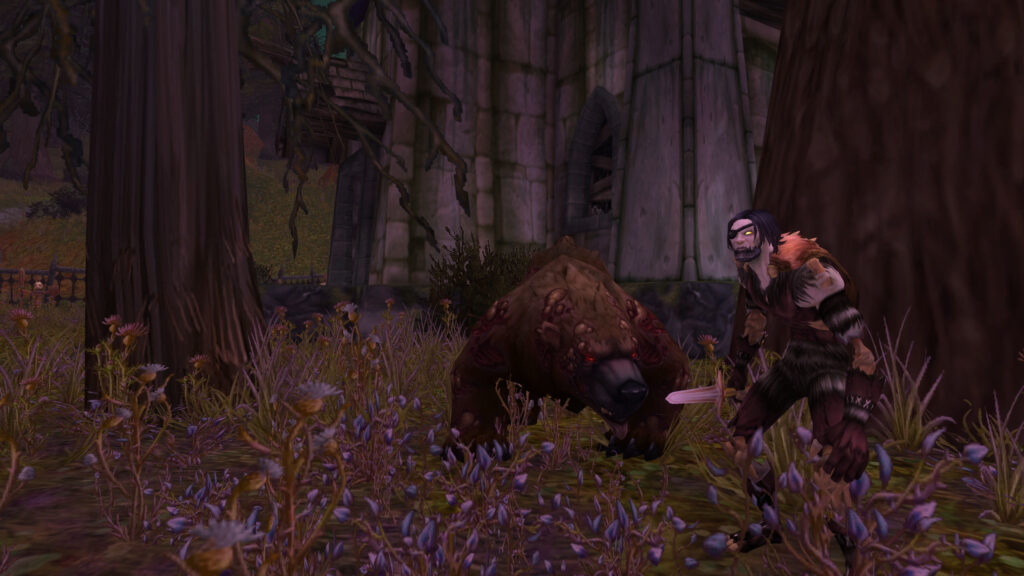
The Forsaken emerged from Scourge’s ranks originally. Key origin points include:
- Lich King’s Weakening: Lost control over distant undead
- Free Will Returned: Undead regained consciousness
- Sylvanas’s Leadership: Banshee queen united them
- Undercity Establishment: Claimed Lordaeron’s capital
These undead face existential crisis about their purpose in undeath.
Forsaken Identity Crisis
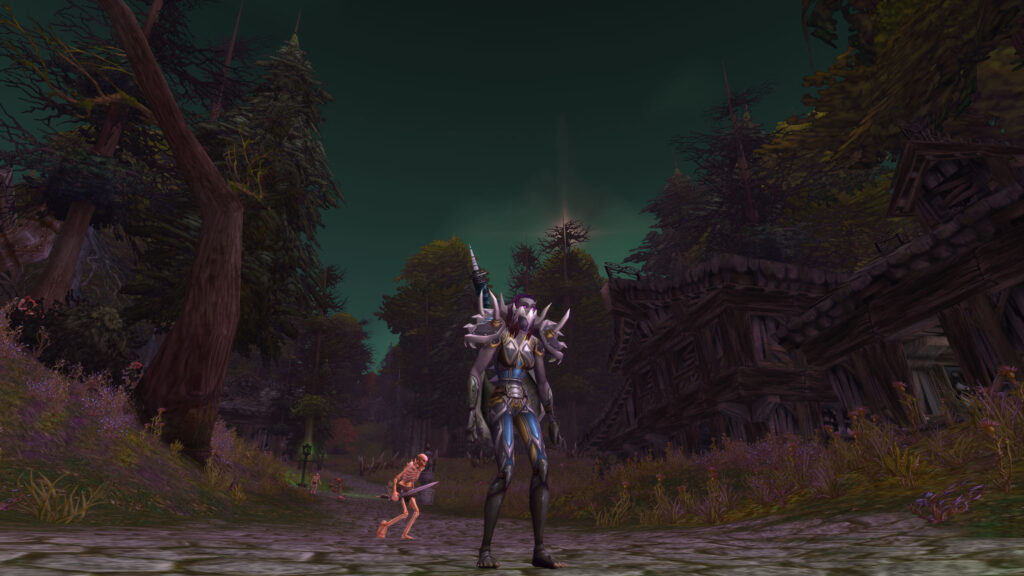
The Forsaken struggle with fundamental existential questions. The table below shows internal conflicts:
| Question | Traditional View | Forsaken Reality | Resolution Attempt |
|---|---|---|---|
| Purpose | Serve Lich King | Free will exists | Forge new path |
| Nature | Evil undead | Capable of good | Prove through actions |
| Belonging | Scourge army | Horde members | Earn acceptance |
| Future | Eternal servitude | Self-determination | Build undead nation |
Sylvanas’s Leadership
Sylvanas Windrunner led Forsaken through difficult transformation. She broke free from Lich King first. United scattered free undead under her banner. Established Undercity as Forsaken homeland. Her leadership defined Forsaken identity completely. Her later betrayal complicated Forsaken position enormously.
Horde Acceptance
Forsaken joining Horde was controversial from start. Many Horde members distrust undead inherently. Forsaken had to prove loyalty repeatedly. Some races accept Forsaken more readily than others. Orcs maintain wary alliance relationship. Tauren show more acceptance and understanding. This tension defines Forsaken Horde experience.
The Plague Question
Forsaken developed new plague against Scourge initially. This plague could kill undead specifically. Alliance and Horde both feared this weapon. Forsaken claimed it was defensive measure only. The plague controversy increased Forsaken isolation. This weapon question remains moral stain on faction.
Post-Sylvanas Era

Sylvanas‘s departure left Forsaken leadership vacuum. Calia Menethil emerged as potential new leader. Forsaken rebuilding after Battle for Azeroth losses. Identity crisis deepened without Sylvanas’s direction. Future remains uncertain for undead faction. This uncertainty creates interesting roleplay opportunities.
Why Forsaken Matter
Forsaken explore what it means to be undead with free will. Their struggle resonates with real identity questions. Playing Forsaken means embracing moral complexity. They add gothic horror element to Horde. Forsaken storyline challenges simple good versus evil narratives. The undead fight for freedom defines WoW’s gray morality.