
The battles between Tarren Mill and Southshore in early World of Warcraft (WoW) are etched in the memories of players who experienced the chaotic and laggy PvP encounters. These skirmishes were not just about territory; they represented the essence of faction pride and the thrill of open-world combat. This guide delves into the mechanics, strategies, and unforgettable moments that defined these legendary confrontations, providing insights for both nostalgic veterans and new players eager to understand this iconic aspect of WoW history.
What were the key characteristics of the Tarren Mill vs Southshore battles?
The Tarren Mill vs Southshore battles were characterized by chaotic, lag-filled skirmishes that highlighted the unorganized yet passionate nature of early WoW PvP.
These battles often erupted spontaneously as players from both factions sought to claim dominance over the contested area. The lack of organized raid groups meant that players frequently engaged in disorganized skirmishes, leading to chaotic encounters where strategy often took a backseat to sheer numbers. Lag was a significant issue due to the high player density, causing frustrating delays in combat actions and making it difficult to execute coordinated strategies. Despite these challenges, the thrill of battle and the camaraderie among players created a unique atmosphere that many still reminisce about fondly. The combination of low-level gear, unpredictable player behavior, and the open-world nature of the conflict made every encounter feel like a high-stakes engagement.
Players often had to adapt quickly to the fluid dynamics of the battlefield, where alliances were formed and broken in the heat of combat. The terrain played a crucial role, with players using the landscape to their advantage, whether it was hiding behind trees or using elevation to gain a tactical edge. The unpredictability of these battles fostered a sense of excitement and danger, as players never knew when they would encounter an enemy or be ambushed by a group of opponents. Ultimately, the Tarren Mill vs Southshore battles became a defining feature of early WoW, encapsulating the spirit of PvP in a way that few other encounters could.
How did players engage in Tarren Mill vs Southshore PvP?
Players engaged in Tarren Mill vs Southshore PvP through spontaneous skirmishes, utilizing terrain advantages and sheer numbers to claim victory.
Engagements typically began with players from one faction venturing into the contested area, leading to immediate confrontations with the opposing faction. The lack of formal organization meant that players often relied on instinct and quick decision-making. Communication was primarily through in-game chat, and many players utilized macros to coordinate attacks or call for reinforcements. The chaotic nature of these battles meant that players had to be adaptable, switching between offense and defense as the situation evolved. Players often formed temporary alliances with others in the area, leading to a mix of cooperation and competition that defined the experience.
- Utilize terrain: Players would often position themselves on higher ground or use natural cover to ambush unsuspecting enemies.
- Coordinate attacks: Even without formal groups, players would use chat to call for assistance, creating makeshift raid groups.
- Focus on objectives: Players aimed to capture key locations, such as the stables or the inn, to gain strategic advantages.
- Adapt to lag: Players learned to anticipate movements and actions due to the prevalent lag, adjusting their strategies accordingly.
What were the most memorable moments from Tarren Mill vs Southshore battles?
Memorable moments from the Tarren Mill vs Southshore battles included epic last stands, unexpected ambushes, and the camaraderie forged in chaotic skirmishes.
These battles were filled with unforgettable moments that players still recount today. One of the most iconic scenarios involved a small group of Alliance players making a desperate last stand against overwhelming Horde forces, showcasing bravery and determination. Another memorable event was the surprise ambushes that often turned the tide of battle, where a well-timed attack could decimate an unsuspecting enemy group. Players would often recount tales of heroic deeds, such as single-handedly taking down a high-value target or successfully defending a critical location against overwhelming odds.
| Moment | Description | Faction Involved | Outcome |
|---|---|---|---|
| Last Stand at Tarren Mill | A small group of Alliance players defended against a large Horde force. | Alliance | Victory through sheer determination |
| Ambush at Southshore | A Horde group ambushed an unsuspecting Alliance raid. | Horde | Decisive victory for the Horde |
| Epic Duel | Two players, one from each faction, faced off in a legendary duel. | Both | Draw, leading to a temporary truce |
What strategies emerged from the Tarren Mill vs Southshore battles?
Strategies in the Tarren Mill vs Southshore battles evolved to include terrain utilization, ambush tactics, and the formation of temporary alliances.
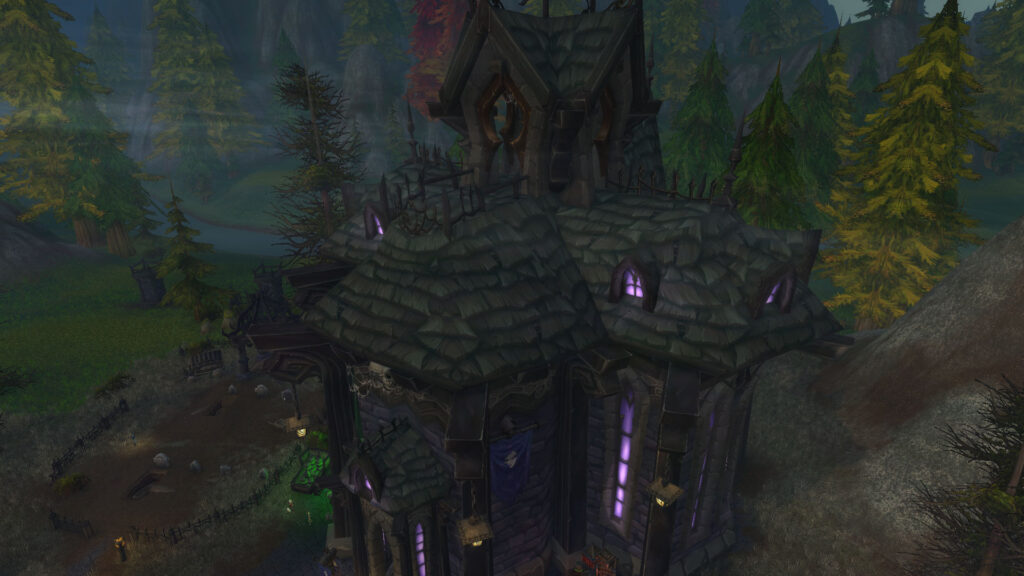
As players engaged in these battles, they quickly learned to adapt their strategies based on the chaotic nature of the encounters. Terrain utilization became a critical factor, with players leveraging the landscape to gain tactical advantages. High ground provided a vantage point for ranged classes, while dense foliage allowed for stealthy ambushes. Additionally, players began to recognize the importance of forming temporary alliances, often banding together with others to take down larger enemy groups. This led to a dynamic battlefield where allegiances shifted rapidly, and players had to be vigilant to avoid being caught off guard.
Another key strategy involved the use of crowd control abilities to disrupt enemy formations. Players learned to time their stuns and slows to maximize their effectiveness, often coordinating with others to chain crowd control effects for devastating results. The chaotic nature of these battles also encouraged players to experiment with different class combinations, leading to unique synergies that could turn the tide of battle. Ultimately, the lessons learned from these encounters laid the groundwork for more organized PvP strategies in later expansions, as players sought to refine their tactics based on the experiences gained in Tarren Mill and Southshore.
How did the Tarren Mill vs Southshore battles influence future PvP in WoW?
The Tarren Mill vs Southshore battles significantly influenced future PvP by highlighting the need for organized team play and strategic planning in large-scale conflicts.
These early skirmishes served as a testing ground for many players, shaping their understanding of PvP dynamics and the importance of coordination. As players experienced the chaos of unorganized battles, the need for structured raids and battlegrounds became apparent. This realization led to the development of more formalized PvP systems in subsequent expansions, including battlegrounds and arenas that emphasized teamwork and strategy. The lessons learned from Tarren Mill and Southshore also influenced the design of future PvP zones, encouraging developers to create environments that fostered both spontaneous encounters and organized gameplay.
Moreover, the community aspect of these battles laid the foundation for the strong PvP culture that exists in WoW today. Players began to form guilds and communities centered around PvP, sharing strategies and experiences that further enriched the gameplay experience. The nostalgia surrounding Tarren Mill vs Southshore continues to resonate, reminding players of the thrill of open-world PvP and the camaraderie forged in battle. This legacy has influenced not only WoW but also the broader MMORPG genre, as developers seek to capture the essence of spontaneous, player-driven conflict.
What are the best practices for engaging in open-world PvP like Tarren Mill vs Southshore?
Best practices for engaging in open-world PvP include utilizing terrain, forming alliances, and adapting strategies based on the evolving battlefield.
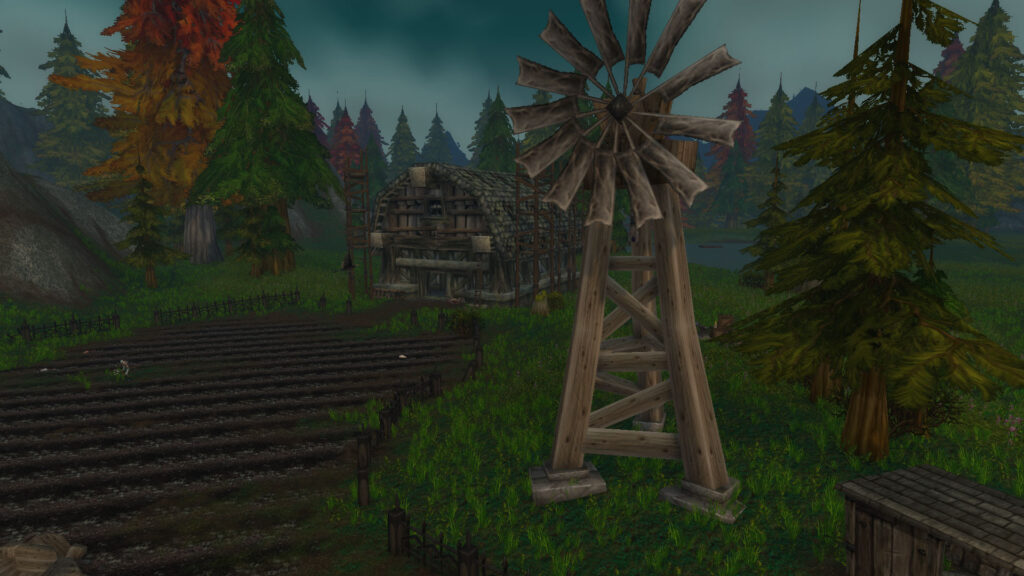
To maximize your effectiveness in open-world PvP, it is essential to understand the terrain and use it to your advantage. High ground can provide a significant benefit for ranged classes, while cover can protect melee players from incoming damage. Forming temporary alliances with other players can also enhance your chances of success, allowing you to take on larger groups more effectively. Communication is key; using voice chat or in-game messaging can help coordinate attacks and share information about enemy movements.
Adapting your strategy based on the flow of battle is crucial. Be prepared to switch roles or tactics as the situation changes, whether that means focusing on healing, crowd control, or damage output. Additionally, keeping an eye on the minimap and being aware of your surroundings can help you avoid ambushes and position yourself for optimal engagement. Finally, maintaining a positive attitude and embracing the chaos of open-world PvP can enhance your enjoyment of the experience, allowing you to create memorable moments just like those from Tarren Mill and Southshore.
Frequently Asked Questions
What level were players typically during the Tarren Mill vs Southshore battles?
Players involved in the Tarren Mill vs Southshore battles were typically around levels 30 to 60, as this range provided access to key abilities and gear while still being vulnerable enough to create engaging encounters.
How did lag affect gameplay during these battles?
Lag was a significant factor during the Tarren Mill vs Southshore battles, often resulting in delayed actions, missed abilities, and chaotic combat scenarios that required players to adapt quickly to the unpredictable environment.
Are there any modern equivalents to the Tarren Mill vs Southshore battles in WoW?
Modern equivalents can be found in large-scale PvP events, such as world quests and faction assaults, where players engage in spontaneous battles in contested zones, reminiscent of the legendary Tarren Mill vs Southshore skirmishes.